Visual Essay – Worn by “Rosie the Riveter”
Updated: Sep 7
Location: Rosie the Riveter Visitor Center at World War II Home Front National Historical Park
Event Date: June 7, 2025
Visit the Historic Park’s page here, https://www.nps.gov/rori/index.htm
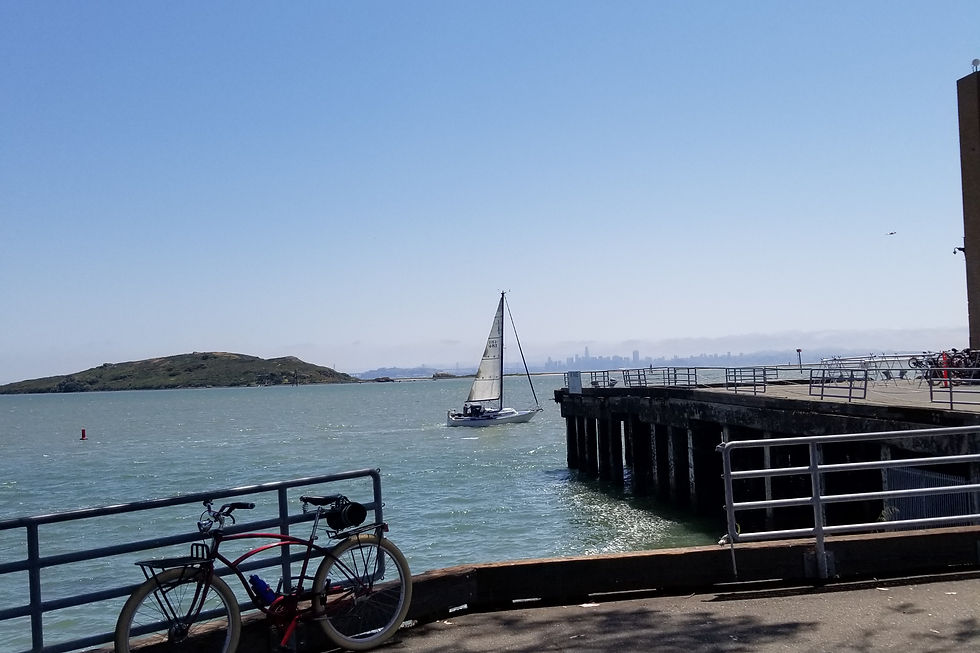
This visual essay brings visibility to the under-explored World War II fashion and textile history resources at the Historic Park in Richmond, California, a suburb of the San Francisco Bay Area [1]. I look at the clothing worn by original Rosies through historical photographs and the Rosie sculptures at the Visitor Center after attending the Historic Park’s 25th Anniversary event.
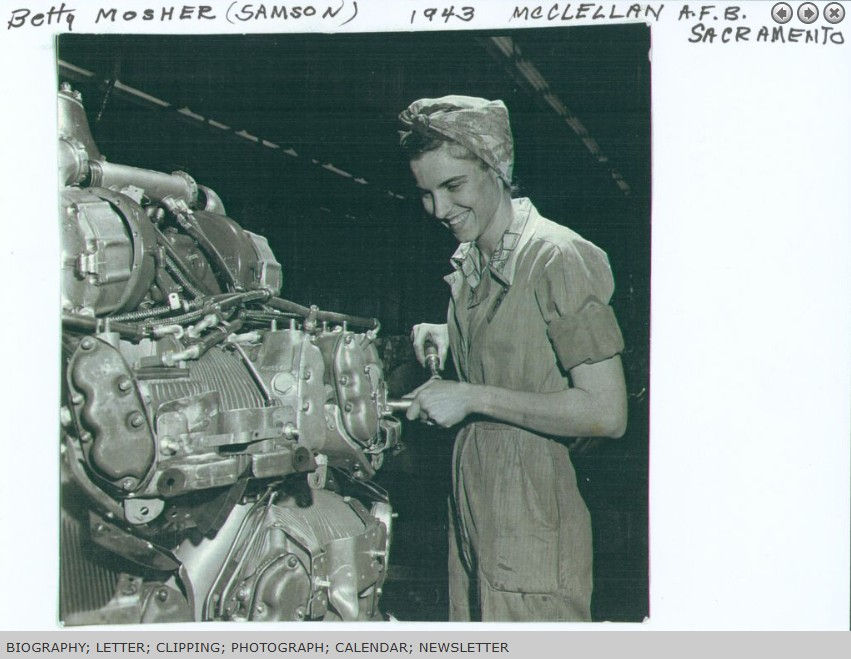
Historical images of original Rosies in California show how women adapted to masculine clothes. The women wore loose, straight-leg pants for safety, efficiency, and warmth. The pants protected women as they were learning and gaining experience to fulfill their duties. It is difficult to tell if the women wore make-up at all and their physical strength, though they appear youthful and healthy. See Figures 1 and 2.
Whether women were working indoors or outdoors, they wore coveralls, blouses with high necklines that had short or long sleeve blouses, as well as jackets that offered additional protection outdoors. Women wore headwraps or bandanas knotted at the forehead, following instructions to cover their heads. This headwear kept their hair from getting caught in machinery and for quality control of war products, worn, both, for practicality and safety [2].
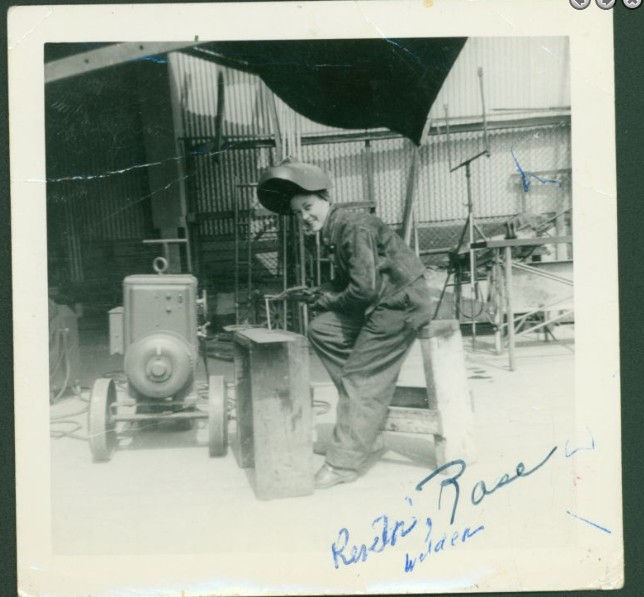
In Figure 3, women wore their welding hood as headwear for their duties and carried this accessory PPE with them when they were not welding.
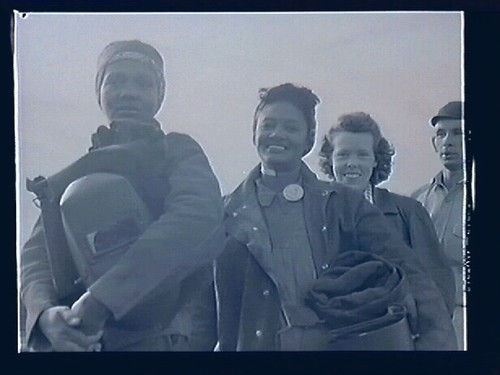
In Figure 4, aligning with the “Dress Code” at the Kaiser Richmond yards, a woman’s pant legs were tucked into mid-calf heavy boots and she wears her employee identification badge, a round pin, on the left side.
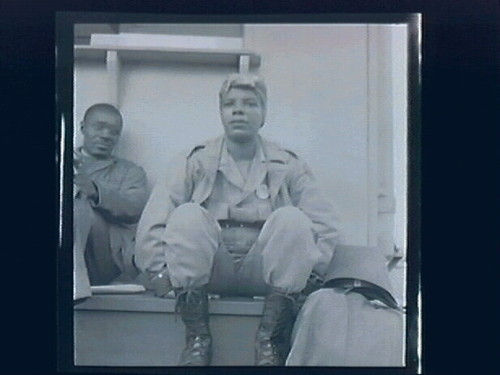
A traditional lady-like appearance was still important during the time period, so the women were photographed with graceful, radiant smiles, invited to pose or look into the camera [3]. Their facial expressions promote happiness and their safety precautions supported the well-being of themselves and their community. Additionally, the stark contrast of heavy machinery or men in their background elevates the softness of the women in the images.
Depiction of original Rosies during WWII inspired the development of the life-size sculptures in the Visitor Center. These sculptures –"Lunchtime Rosie" and "Working Rosie"–serve as a bridge between historical photographs and modern representation.
The sculptural Rosies display distinct mood, personality, and clothing choices. Their facial expressions are natural and relatable. Additionally, these sculptural Rosies are not posing, instead they are engaged in their work and scheduled break. Both sculptural Rosies have their gazes looking downward at activities toward their hands.
Figure 5 shows “Lunchtime Rosie” resting on a stoop at a cafeteria, with that, work wear demonstrates her new patriotic role. She wears overalls, which were a style known as “second only to the uniform of the armed forces” [4]. Her overalls are loose to allow for movement. She has folded coverall pant bottoms and rolled up sleeves in case the clothes needed adjustment. This reflects the reality of women adapting mass-produced, men clothes to fit their own body. Her soft emotional expression before eating her sandwich is a reminder of a 1930s "homemaker", yet the heaviness of her clothes anchors her to the 1940s.

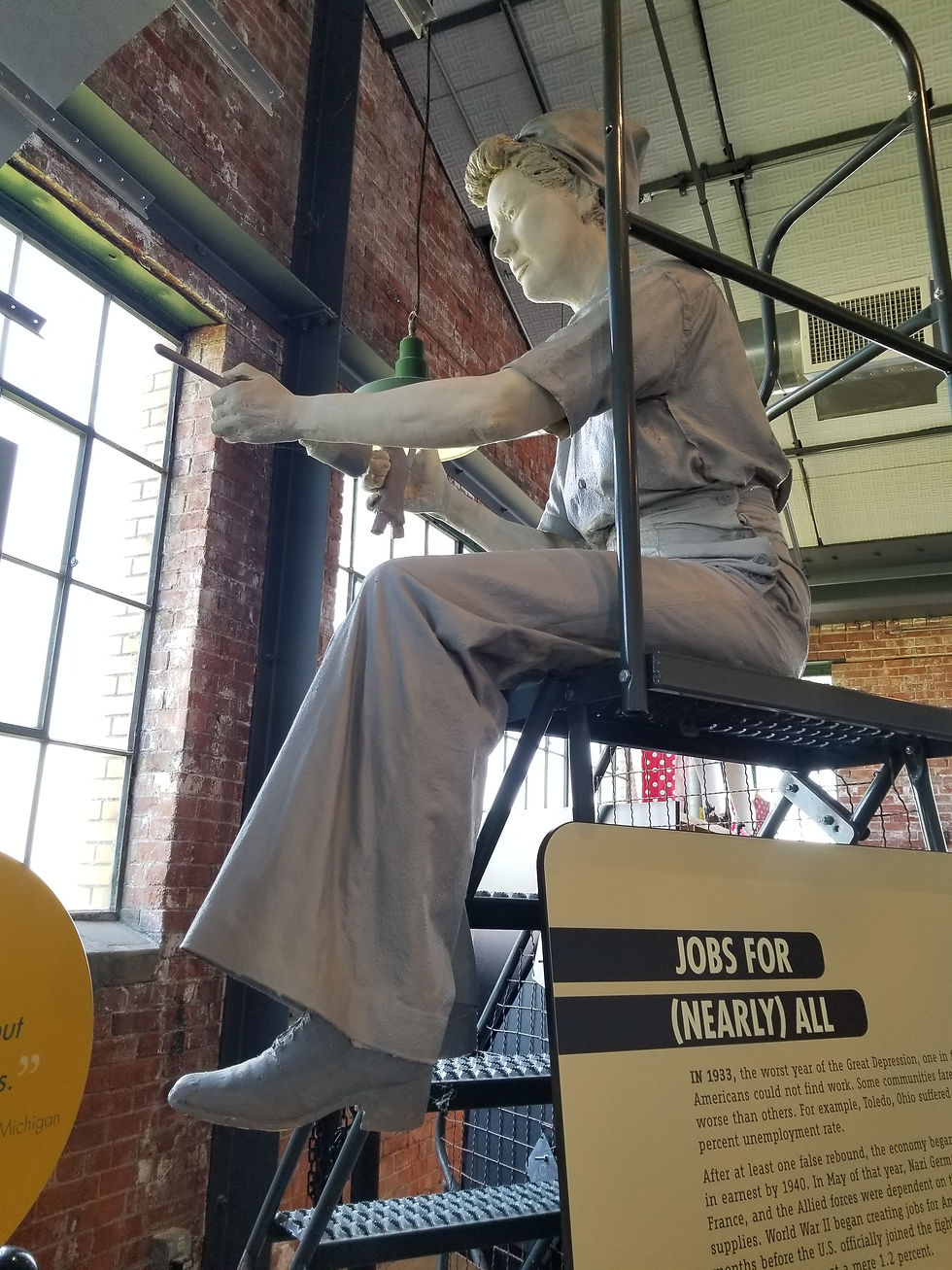
In contrast, Figure 6 shows “Working Rosie” immersed in work. She holds a machine tool and sits at the top step of a metal ladder. Her focused expression denotes professional and technical knowledge of the duty at hand. She wears a short-sleeved shirt and high-waisted pants secured by large side buttons, a uniform that could allow for efficiency and keep her safe.
In the context of accessible clothes in the SF Bay area during WWII, Capwell Company in Oakland, California made changes to their department store. They included women’s work clothes in the men’s section and so that the women’s clothing would be in the main aisle for shoppers instead of in the basement. Additionally, salesgirls at Capwell’s were ready to advise women shoppers about choices and fit [4].
Together, these resources demonstrate that femininity was a constant adjustment of both, mind and clothing.
References
[1] Foundation Document. Rosie the Riveter/ World War II Homefront National Historic Park. National Park Service, U.S. Department of the Interior. February 2017. See p13.
[2] Michelle Boardman (1998) Shoulder to Shoulder: Women's Patriotic Scarves of World War II, Dress, 25:1, 3-16, DOI: 10.1179/036121198805297864
[3] Lee, Yhe-Young, and Jane Farrell-Beck. "American Women's Adoption of Pants and the Changing Definition of Femininity during World War II." International Journal of Human Ecology 11, no. 1 (2010): 23-33.
[4] Susan Strawn, Jane Farrell-Beck & Ann R. Hemken (2005) Bib Overalls: Function and Fashion, Dress, 32:1, 43-55, DOI: 10.1179/036121105805253107


Comments